
BioCell Analytica · Analytical Methods
One water sample.
Multiple biological insights.
Advanced cell-based methods reveal the combined biological effects of chemical contaminants — including substances that conventional targeted analysis may overlook.
Water can contain complex mixtures of known and unknown chemicals. Traditional chemical analysis identifies selected substances, while effect-based methods measure how these mixtures affect specific biological processes.
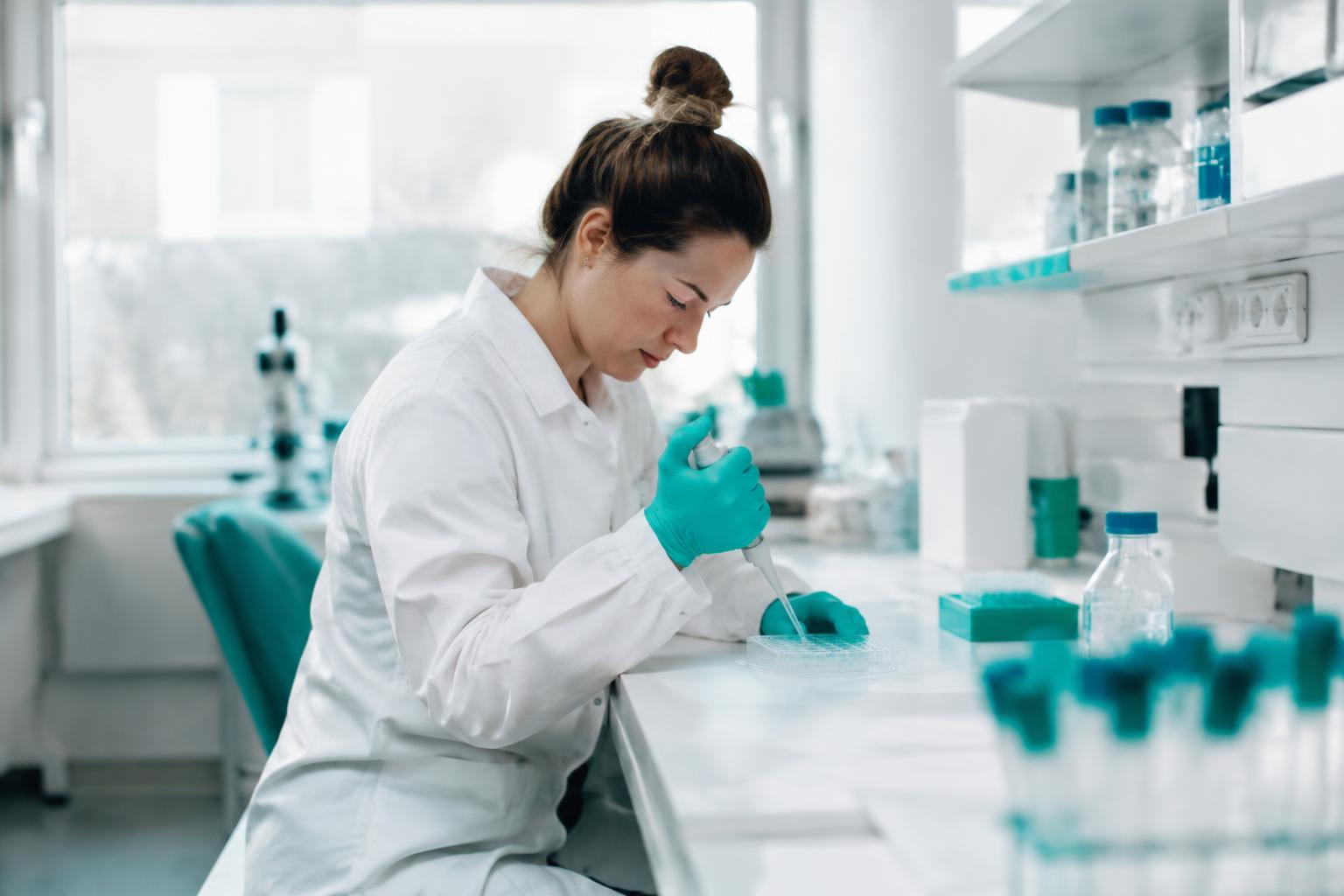
At BioCell Analytica, we use a battery of complementary cell-based bioassays to investigate effects relevant to human and environmental health. By combining several methods, we provide a broader understanding of the biological activity present in water and environmental samples.
Our analytical portfolio
What do we measure?
Our analytical portfolio covers seven biological endpoints, presented in six complementary method groups.
Each method measures biological activity within a defined endpoint. Together, the results provide complementary insights into the potential adverse biological effects of these chemical mixtures.
Estrogenic activity
Detecting substances that mimic estrogens.
Our analysis measures activation of the estrogen receptor by chemicals in a sample. Estrogenic substances can interfere with hormonal signalling and affect reproduction and development in aquatic organisms and humans. The measured response provides information about the combined estrogenic activity of the sample, rather than identifying individual substances.
Androgenic and antiandrogenic activity
Measuring substances that activate or block androgen signalling.
These complementary analyses identify chemicals that activate or inhibit the androgen receptor. Such substances can interfere with hormonal processes involved in reproduction and development. Androgenic activity and antiandrogenic activity are evaluated as two distinct biological endpoints within one method group, providing complementary information about hormonal activity in a sample.
Oxidative stress
Identifying chemicals that trigger cellular stress responses.
Oxidative stress is associated with several mechanisms of toxicity. Our assay measures activation of a cellular defence pathway in response to substances capable of inducing oxidative stress. This broad-response method can serve as an indicator of biologically active chemical contamination, complementing the information provided by other biological endpoints.
Aryl hydrocarbon receptor activity (AhR)
Detecting chemicals that activate an important cellular receptor.
The aryl hydrocarbon receptor responds to a wide range of substances, including certain environmental pollutants, pharmaceuticals and naturally occurring compounds. Measuring receptor activation provides complementary information about the biological activity of complex chemical mixtures and the pollution pressure in a specific sample. The assay evaluates a defined biological response rather than identifying the individual chemicals responsible.
Genotoxicity
Detecting substances capable of damaging genetic material.
Our in vitro micronucleus assay detects chromosomal damage in cultured human cells. Genotoxicity is an important endpoint for evaluating chemical hazards, as damage to genetic material can be associated with serious adverse health effects. Results are primarily reported as positive or negative findings according to established evaluation criteria.
Swedac-accredited · specified matricesAcute toxicity in fish cells
Assessing toxic effects without using live fish.
Our assay uses cultured rainbow trout gill cells to measure acute toxicity. Three cellular functions are evaluated: metabolic activity, cell membrane integrity and lysosomal membrane integrity. The method provides information about acute toxic effects relevant to aquatic organisms and is particularly useful for wastewater, environmental monitoring and treatment evaluation.
Swedac-accredited · specified matricesHow does effect-based analysis work?
From water sample to biological insight
Our methods measure how complex chemical mixtures affect specific biological processes in cultured cells.
- 01
Sample preparation
Water samples are collected and sent to our laboratory.
For most analyses, organic contaminants are extracted and concentrated using solid-phase extraction, improving the sensitivity of the biological tests.
Acute fish-cell toxicity is assessed using unconcentrated water samples.
- 02
Cell-based testing
Specialised cultured cells are exposed to the prepared samples.
Each assay measures a defined biological response, such as hormone receptor activation, cellular stress or chromosomal damage.
- 03
Quantification
Biological responses are measured and evaluated using appropriate controls and reference substances.
For several methods, results are expressed as bioanalytical equivalent concentrations — indicating the concentration of a reference substance that would produce a comparable effect.
- 04
Interpretation
Results can be compared with relevant effect-based trigger values or historical measurements from comparable water samples.
Combined with scientific expertise, this helps put the measured biological activity into context.
Quality and accreditation
Scientific methods.
Reliable results.
Our analytical methods are supported by established scientific principles, documented analytical procedures and rigorous quality assurance.
BioCell Analytica is accredited by Swedac according to ISO/IEC 17025 for specified genotoxicity and acute fish-cell toxicity analyses. Our other methods are performed under established internal quality requirements.
Read about Quality & AccreditationISO/IEC 17025
Swedac accreditation · No. 10656
- Genotoxicity
- Drinking water, freshwater, wastewater and leachate
- Acute fish-cell toxicity
- Freshwater, wastewater and leachate
View official accreditation scope
Which analyses are right for your water?
The right combination of methods for your needs.
Different biological endpoints provide different information.
Selecting a suitable combination of methods depends on the type of water, the purpose of the investigation and the decisions the results need to support.
Our scientists can help you select an appropriate analytical package for drinking water, wastewater, environmental monitoring or treatment evaluation.